
Air Jordan Resale Market: Smart Tips for Buying and Selling
The Air Jordan resale market has expanded from a small hobby into a multi-billion-dollar market functioning with the complexity of a financial marketplace. Shoes that cost $170 can command $500, $1,000, or even $10,000 based on silhouette, color, and rarity. For purchasers, this ecosystem grants the opportunity to buy out-of-stock drops and legendary kicks that would otherwise be out of reach. For sellers, it provides a viable earnings channel that many entrepreneurs have monetized successfully. But moving through this space without understanding is a fast track to getting ripped off or falling victim to fraud. Whether you want to score a pair at a discount or flip your most recent SNKRS cop for a profit, knowing the mechanics of the Air Jordan resale market in 2026 is essential.
Understanding the Resale Ecosystem
The modern sneaker resale market functions through a select group of primary channels, each with unique fee structures and buyer demographics. StockX created the “stock market for sneakers” model, assessing sellers a commission between 8 and 10 percent according to seller level. GOAT runs a like marketplace but includes the choice to sell previously worn sneakers in addition to factory-sealed pairs, widening the addressable market. eBay came back into the legit-checked sneaker market with its Authenticity Guarantee program and as of now collects zero seller fees on sneakers over $150, positioning it as the most cost-effective marketplace for sellers in 2026. Physical resale shops like Flight Club collect a heftier nike jordans new release 15 to 20 percent fee but feature face-to-face verification and on-the-spot payment. Social media still support notable P2P transactions, though without built-in authentication the chance of fraud is considerably higher. Understanding each platform’s fee structure helps you make informed choices based on whether you favor maximum earnings, quick sales, or safety.
What Drives Resale Pricing
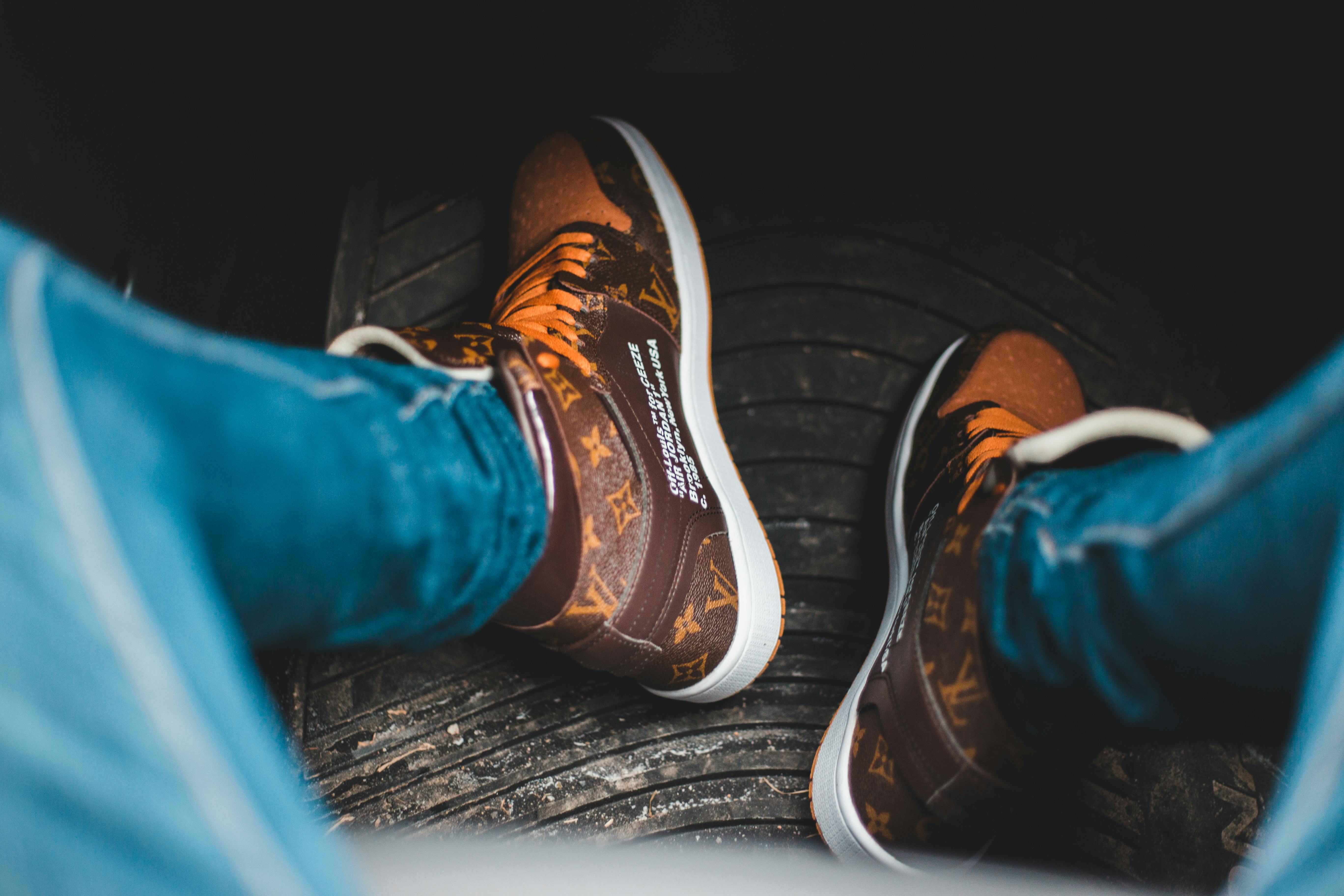
Resale pricing operates on rhythms governed by recognizable supply and demand factors. The primary factor is rarity — exclusive drops under 50,000 pairs consistently fetch significant premiums, while widely available drops above 200,000 pairs usually move at or under retail after launch buzz subsides. Partnership branding enormously boosts value: a Travis Scott or Off-White collab can boost 300 to 800 percent to secondary market price compared to a standard release of the same silhouette. OG releases that Michael Jordan genuinely played in during competitive play reliably fetch more than contemporary takes of the same silhouette. Condition is another significant variable, with factory-fresh pairs earning a 30 to 50 percent premium over lightly used pairs. The most typical men’s sizes (9 through 11) generally carry more inventory on marketplaces, while outlying sizes commonly fetch higher prices due to limited supply. Market prices usually peak during November and December holiday buying and fall during less active the summer period.
| Service | Seller Commission | Legit Check | Payout Speed | Used Sales | Best For |
|---|---|---|---|---|---|
| StockX | 8–10% | On-site physical | 3–7 business days | No | Market data access |
| GOAT | 9.5% + shipping | In-house physical | 3–5 business days | Yes | Selling used pairs |
| eBay | 0% (over $150) | Third-party verification | 1–3 business days | Yes | Highest seller earnings |
| Flight Club | 15–20% | In-store experts | Same-day cash | Yes | Quick cash sales |
| Instagram / Facebook | 0% | None (buyer beware) | Instant | Yes | Fee-free direct sales |
Intelligent Shopping Techniques
The timing of your purchase is the biggest advantage for grabbing Air Jordans at less than top secondary market values. Most buzzworthy drops display a well-documented pattern: costs jump right after release day as secondary market sellers leverage urgency, then gradually decrease over two to six weeks as initial demand is fulfilled and more supply hits the market. Waiting 30 to 45 days after drop can net you savings of 15 to 30 percent compared to day-one resale, according to market records on StockX. Placing price alerts on marketplaces like StockX and GOAT enables you to define your budget and wait for a seller to accept, rather than meeting the current ask which always represents the most ambitious seller expectation. Checking prices across multiple platforms before buying is critical because the identical pair in the same size can fluctuate by $20 to $80 between StockX, GOAT, and eBay at any point in time. For aged retro releases not undergoing a current hype cycle, costs regularly hit their lowest during June through August when sneaker market activity generally tapers off. On top of that, buying in uncommon sizes can occasionally benefit you because these sizes have fewer active bidders competing for the same restricted supply.
Selling for Maximum Profit
Effective resale activity commences well before you post a pair — it is built on obtaining the right inventory through primary retail at the minimum acquisition cost. Submitting to every accessible raffle for high-demand releases through Nike SNKRS, Foot Locker, JD Sports, and independent stores enhances your odds of securing inventory at retail, which is the cornerstone of resale profitability. Listing speed plays a huge role: listing your pair within the first 24 to 48 hours after drop, when FOMO is highest and inventory on platforms is still low, usually produces the top final price for that drop cycle. Take pictures of your stock extensively and keep original packaging in impeccable condition, because consumers on authenticated platforms spend demonstrably more for pairs that arrive in pristine boxes with all included extras enclosed. Monitor comparable completed sales — not just current listings — to set realistic sale prices, since inflated asks go unnoticed while the marketplace passes you by. Consider your platform choice strategically: eBay’s commission-free model on sneakers above $150 means you keep approximately 10 percent more than on StockX, translating to $30 to $50 extra profit per pair.
Ensuring Authenticity and Dodging Replicas
Fake Air Jordans have grown frighteningly refined in 2026, with some fakes virtually indistinguishable from genuine pairs without trained eyes. The most reliable strategy for buyers is buying only through platforms with hands-on verification — StockX, GOAT, and eBay’s Authenticity Guarantee each employ trained authenticators who hands-on check every pair before it is delivered to the consumer. For person-to-person deals through Instagram or in-person meetups, invest in a UV blacklight that exposes invisible quality-control markings bootleggers rarely reproduce, and a jeweler’s loupe for examining sewing details and material textures at magnification. Danger signals include unrealistically cheap listings, sellers who refuse to provide detailed photographs, and ambiguous “authenticity guaranteed” wording without specifying a checking procedure. Companies like CheckCheck and Legit Check feature mobile authentication where you send images and obtain a expert verdict for $3 to $10 per check. For resellers, guaranteeing inventory authenticity shields your standing and prevents damaging refund claims — platforms will flag or suspend sellers who send fake goods, even accidentally.
The Resale Outlook for 2026 and Beyond
The Air Jordan resale market in 2026 finds itself at an intriguing turning point driven by conflicting dynamics. Jordan Brand has expanded production on many retro releases, reducing price increases on GR releases and pushing average markups down from pandemic-era highs. However, authentically restricted collabs and OG colorways still attract robust price increases, indicating the market is bifurcating between accessible products and hyper-limited merchandise. According to data from Cowen & Company, the international sneaker resale market is expected to reach $30 billion by 2030, with Air Jordans continuing as the most frequently traded name. For individual buyers and sellers, this development means more liquidity, greater price visibility, and increased competitive pressure — factors that benefit expertise and patience over impulse. Whether you treat the market as a buyer chasing coveted pairs or a reseller growing an enterprise, the basics hold true: buy what you understand, sell at the right time, authenticate everything, and approach resale with the same discipline as any real investment.